
tempered laminated glass manufacturers
Understanding the Costs Involved in Low Emissivity Glass Low emissivity (low-E) glass has emerged as a popular choice in modern architecture and energy-efficient building designs. This special type of glass is coated with a microscopically thin layer of metal or metallic oxide that reflects infrared energy while allowing visible light to pass through. The primary benefits of low-E glass include enhanced insulation, reduced energy consumption, and improved comfort within indoor spaces. However, one critical question often arises What are the costs associated with low-E glass? Initial Investment The upfront cost of low-E glass is typically higher than standard glazing options. Prices for low-E glass can vary widely based on several factors, including the type of low-E coating, thickness of the glass, and the scale of the order. On average, the cost of low-E glass can range from $10 to $20 per square foot, depending on these variables. For a large installation, this initial investment can add up quickly, making it essential for builders and homeowners to consider the long-term benefits against the upfront costs. Long-Term Savings While the initial investment for low-E glass may be higher than traditional glass, it is crucial to look at the long-term savings from reduced energy bills. Low-E glass minimizes heat transfer, thereby reducing the need for heating in winter and cooling in summer. As a result, households and commercial buildings can experience energy savings ranging from 20% to 30% on their heating and cooling costs. Over the lifespan of the glass, which can easily exceed 20 years, these savings can accumulate significantly, often offsetting the initial costs associated with low-E glazing. Installation Costs low emissivity glass cost Another factor to consider is the installation cost, which can also be higher for low-E glass compared to standard options. Specialized installation may be required to ensure that the low-E coating is not damaged and that optimal energy performance is achieved. Installing low-E glass is not just about placing a pane; it's about ensuring the right fit and alignment to maximize its energy-efficient properties. As a result, hiring skilled professionals with expertise in window installations may increase overall labor costs. Additional Benefits Apart from energy savings, low-E glass offers additional benefits that can justify its higher price point. For instance, it can help reduce glare and UV damage inside the building, protecting furniture, artwork, and flooring from fading. With increased demands for sustainability in building practices, using low-E glass can also enhance a property's marketability. As green building materials gain traction, properties equipped with energy-efficient features often attract environmentally conscious buyers and tenants, potentially increasing their resale or rental value. Conclusion In summary, while the cost of low emissivity glass is generally higher upfront compared to traditional glass options, its energy efficiency, long-term savings, and additional protective benefits make it a worthwhile investment for many homeowners and builders. The decision to use low-E glass should be based on a comprehensive analysis of initial costs versus long-term savings, installation considerations, and potential benefits for property value. For those contemplating a shift to energy-efficient solutions, investing in low-E glass can yield significant returns, contributing to lower energy bills, increased comfort, and a reduced carbon footprint. As awareness of environmental issues continues to grow, more people may find that the benefits of low-E glass far outweigh its cost, making it a wise choice in contemporary architecture and design strategies.
-

bathroom round mirror with light
bathroom round mirror with light
View Details -

glass stair panels
glass stair panels
View Details -
laminated fluted glass
laminated fluted glass
View Details -

special glass
special glass
View Details -
wall mirror with lights for bathroom
wall mirror with lights for bathroom
View Details
Our application
-
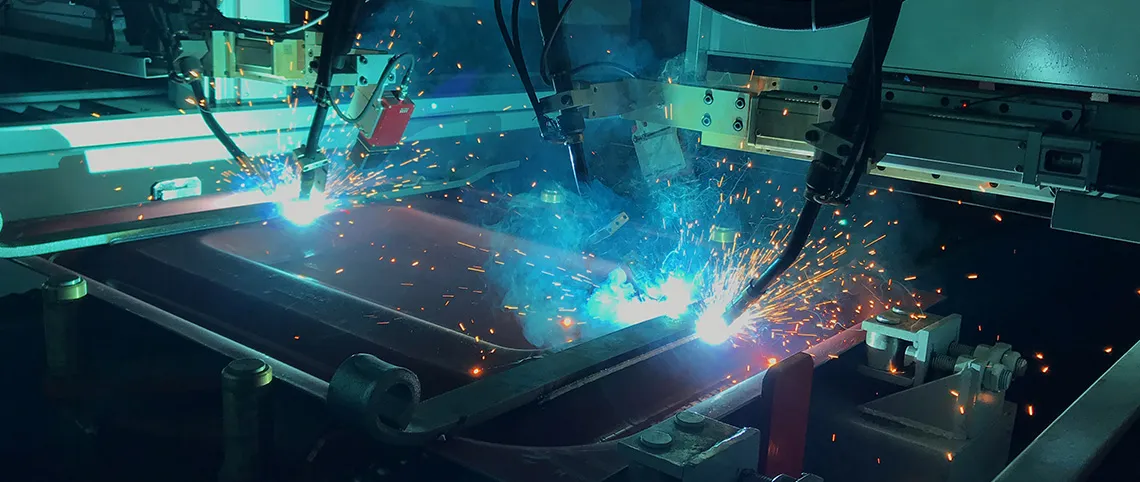 read more
 -
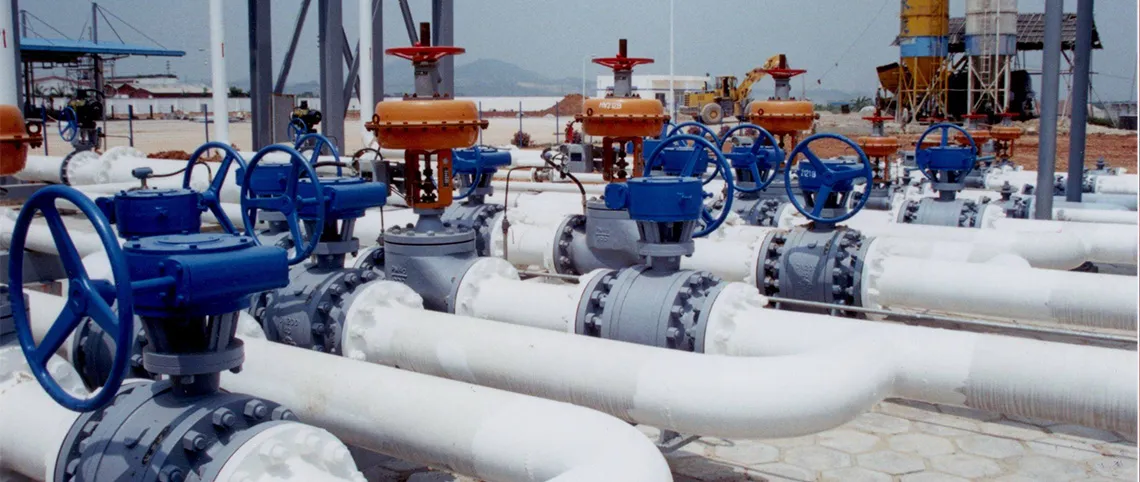 read more
 -
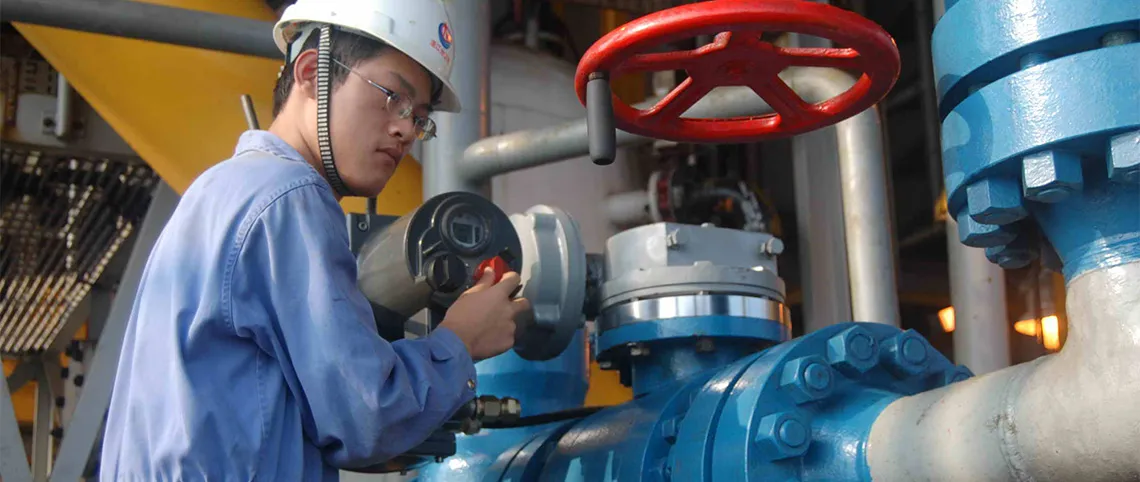 read more
 -
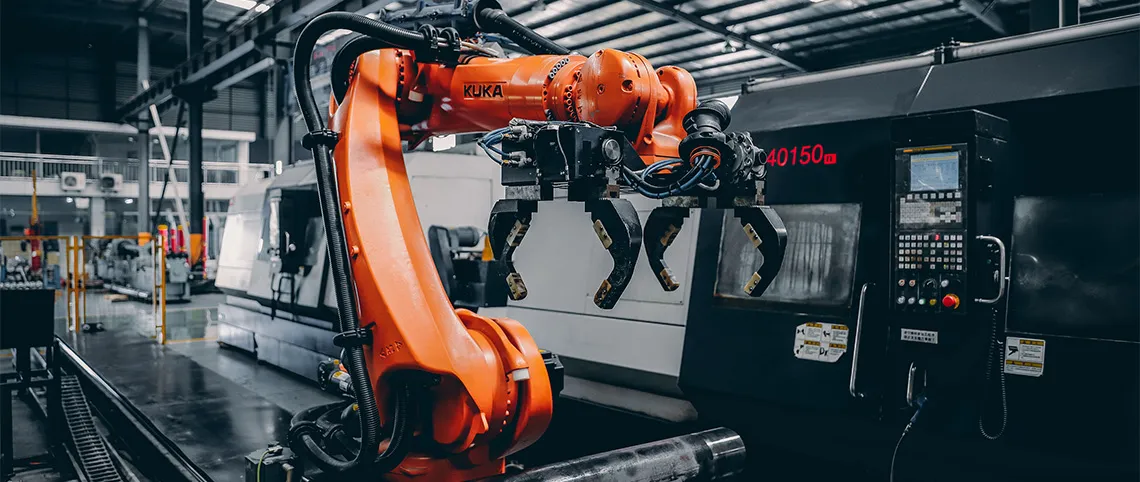 read more
 -
 read more
 -
 read more
news and information
Welding and Fabrication Techniques for Efficient Metal Assembly and Construction
Understanding the Welding Fabrication Table A Comprehensive Overview Welding fabrication tables play

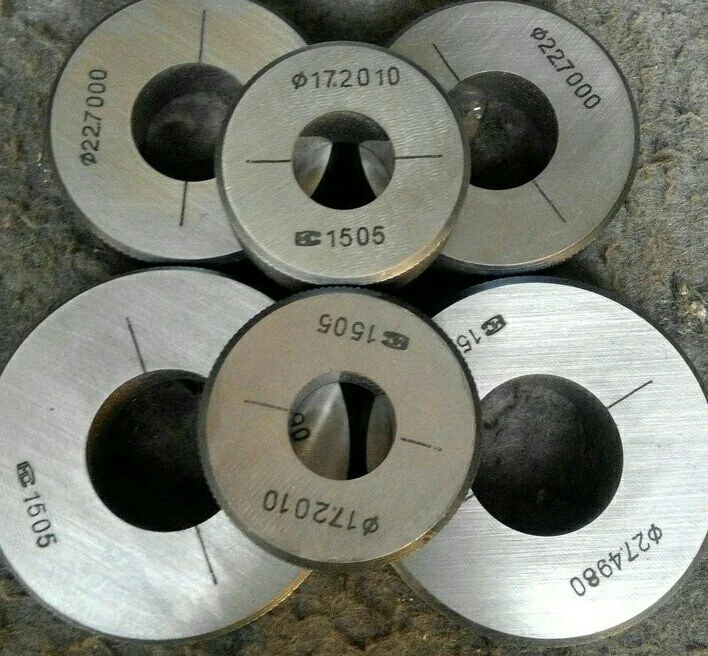
Using Thread Ring Gauge for Precision Measurement and Quality Assurance in Manufacturing
The Importance of a Thread Ring Gauge in Quality Control In the realm of engineering and manufacturi
Welding table provider
Welding Table Suppliers Essential Partners for Precision Welding In the realm of industrial fabric